

The science behind Magnesium Evening Drink
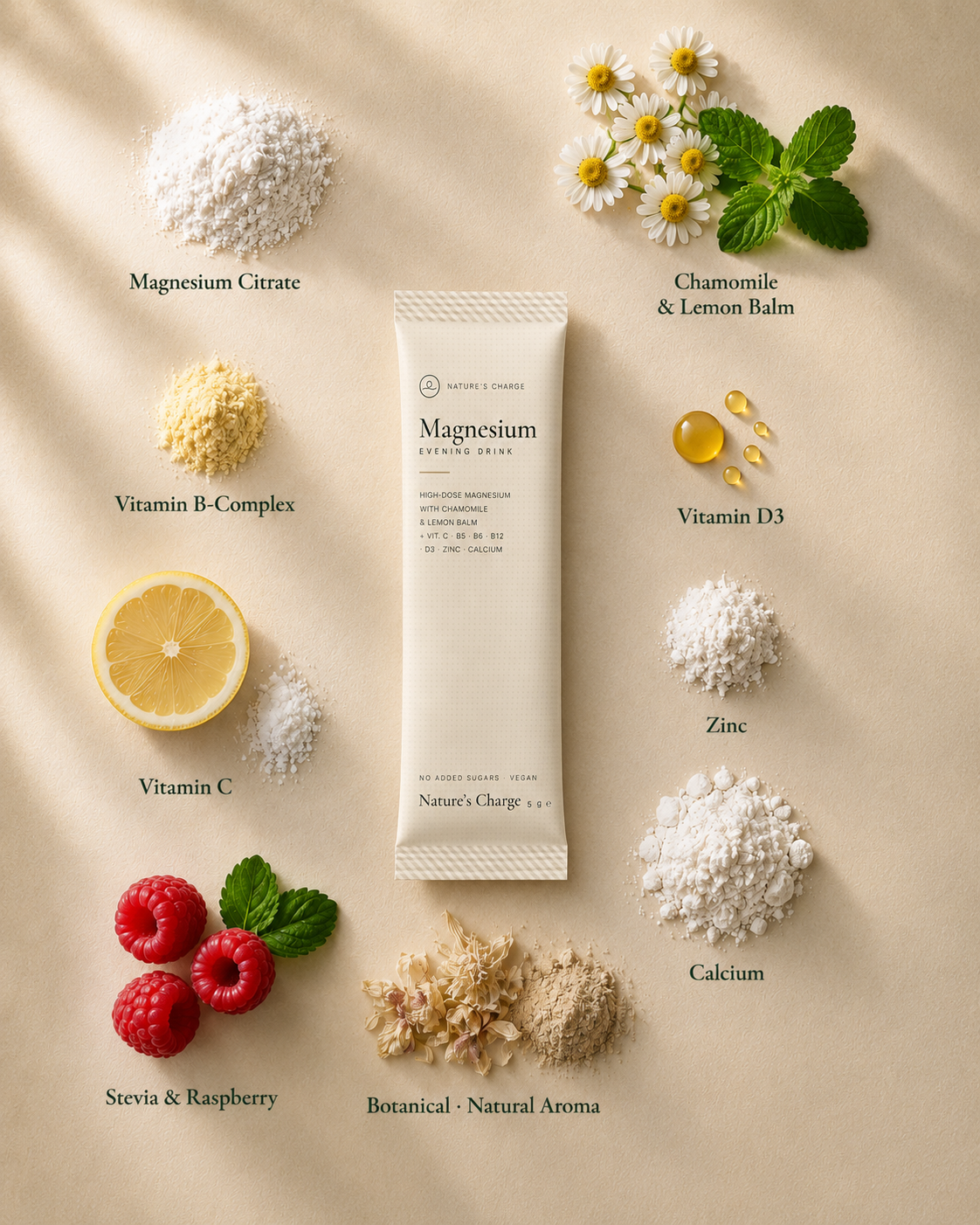
Magnesium Evening Drink puts 240 mg of magnesium citrate together with the vitamins, minerals and botanicals your body uses to wind down: B5, B6, B12, C, D3, zinc, calcium, chamomile and lemon balm. This page explains what each one does, how much you get per sachet, and what the research actually shows.


We hold ourselves to a
cleaner standard.
Ten actives in one warm drink, each in a dose the research supports. Here is what happens between the mug and the pillow.
Absorb
Convert
Calm
Recover
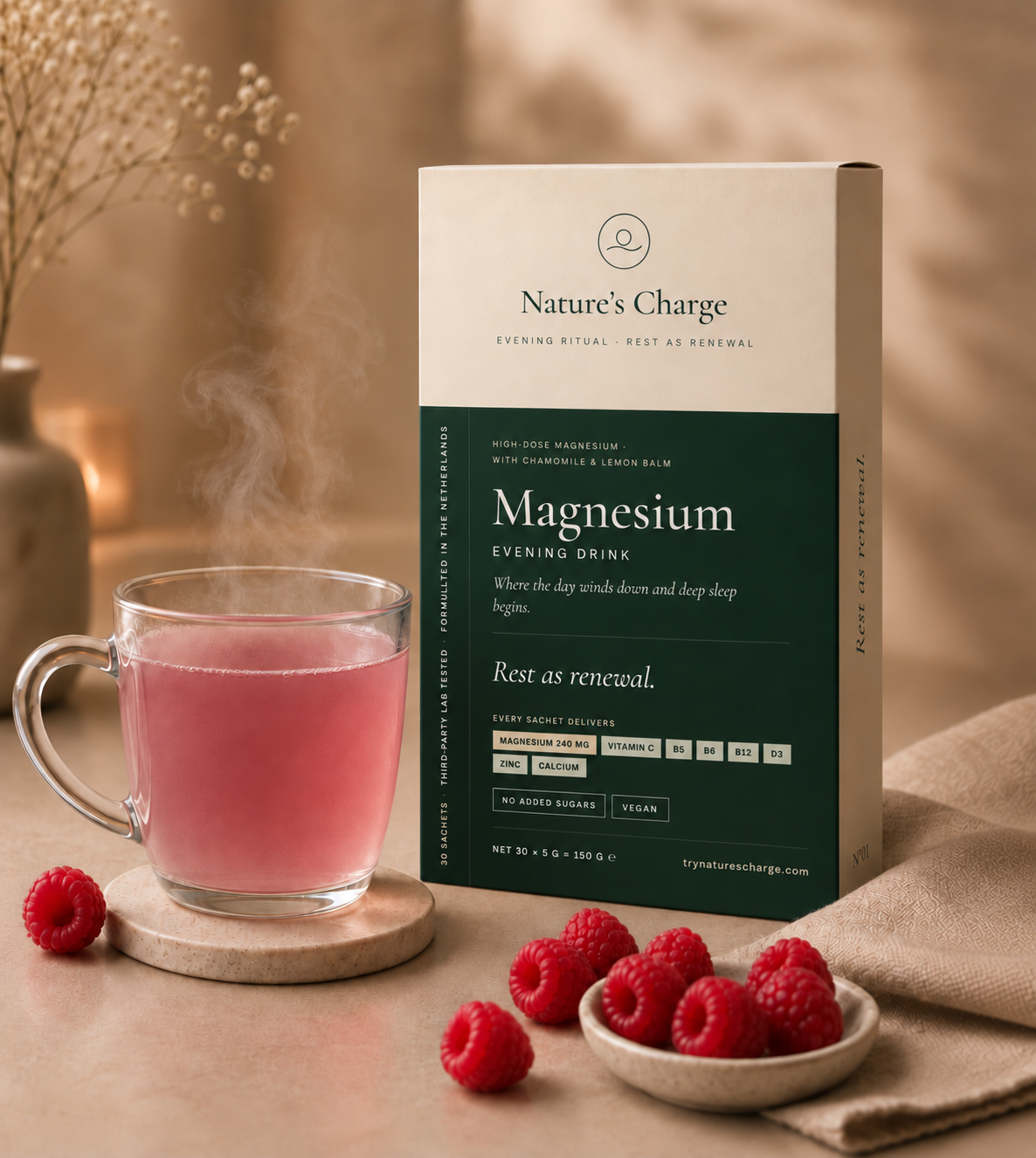
Every ingredient, explained
Doses are per serving. NRV is the EU Nutrient Reference Value for adults. The claim under each ingredient is the wording authorised by the European Food Safety Authority (EFSA) and listed in the EU Register of health claims; where an ingredient has no authorised claim, we say so.
Magnesium citrate
240 mg magnesium · 64% NRV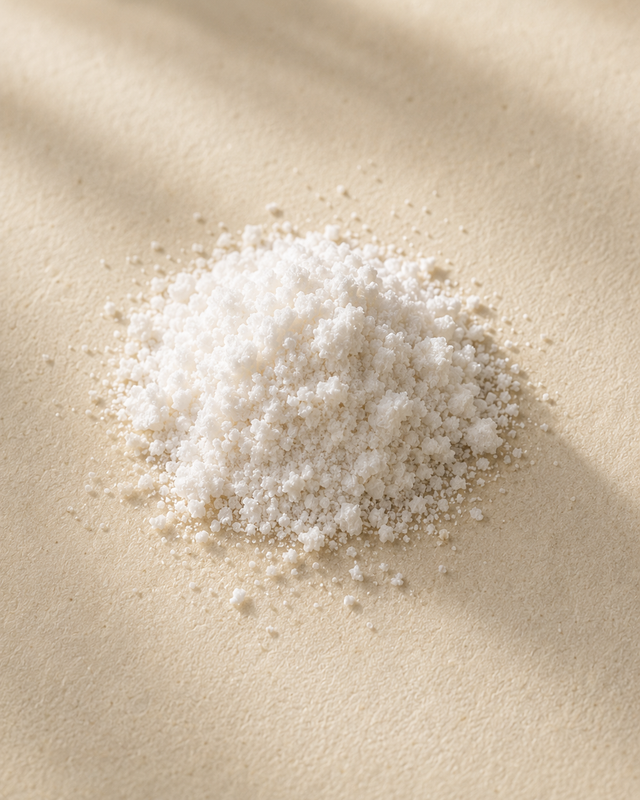
The mineral that tells muscles and nerves to switch off
Sources: [1], [2], [3], [4], [5]
Vitamin B6 (pyridoxine)
1.7 mg · 121% NRV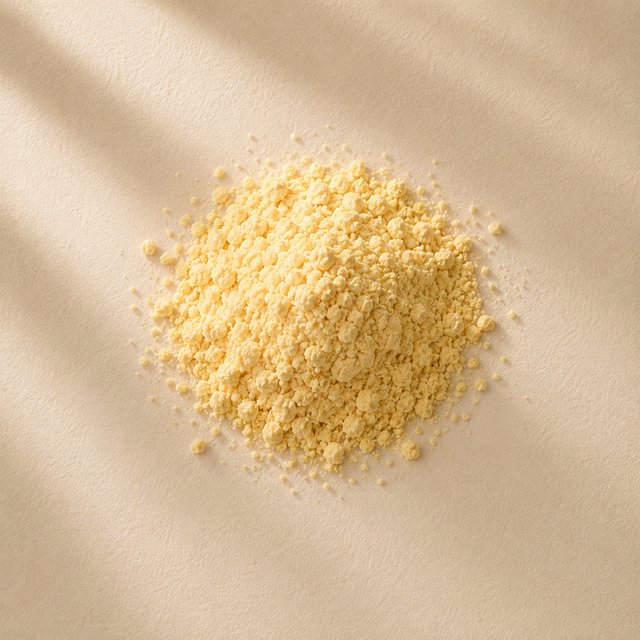
The cofactor that turns tryptophan into serotonin and melatonin
Sources: [6], [7]
Vitamin B12 (cobalamin)
3.8 mcg · 152% NRVKeeps nerves, energy and your day-night rhythm on track
Sources: [8]
Vitamin B5 (pantothenic acid)
9.4 mg · 157% NRVThe B vitamin behind coenzyme A and your stress hormones
Sources: [9]
Vitamin C
95 mg · 119% NRV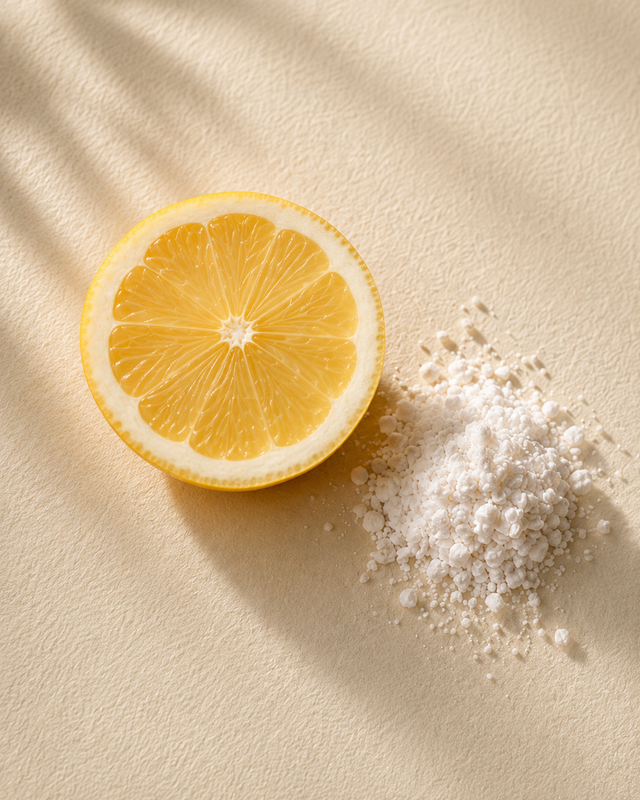
Antioxidant protection and immune support, every evening
Sources: [10], [11]
Vitamin D3 (cholecalciferol)
15 mcg (600 IU) · 300% NRV
The sunshine vitamin most of us run low on in winter
Sources: [12], [13]
Zinc
5.2 mg · 52% NRV
A trace mineral with a surprisingly direct link to sleep
Sources: [14]
Calcium
45 mg · 6% NRV
Magnesium's partner for nerves and muscles
Sources: [11]
Chamomile (Matricaria chamomilla)
Botanical extract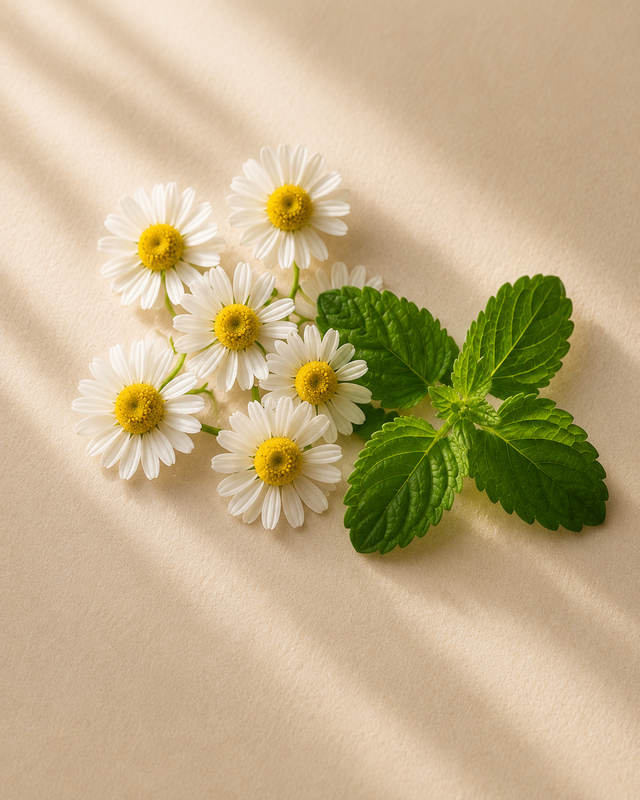
Europe's evening tea, in your mug for a reason
Sources: [15], [16], [19]
Lemon balm (Melissa officinalis)
Botanical extractThe mint-family herb that takes the edge off a racing mind
Sources: [17], [18], [19]
What the research found
Three results from the papers behind the formula. Full citations at the bottom of the page.
500 mg of magnesium a day improved time to fall asleep, sleep efficiency, total sleep time and insomnia scores, and lowered cortisol, in a double-blind trial.
Abbasi et al., 2012 [1]
600 mg of lemon balm extract a day for 15 days, in volunteers with mild-to-moderate anxiety and sleep problems. Anxiety symptoms fell by 18%.
Cases et al., 2011 [18]
Meta-analysis: people low in vitamin D had higher odds of sleep disorders, poor sleep quality and short sleep. A separate 8-week RCT improved sleep-quality scores with vitamin D.
Gao et al., 2018 [12]; Majid et al., 2018 [13]
Study results describe the participants and doses in those trials, not a guarantee for every person. Magnesium Evening Drink provides 240 mg of magnesium per sachet; the magnesium trial above used 500 mg a day, and the botanical trials used standardised extracts.
Naturally Made,Carefully Chosen
We believe an evening ritual should feel clean, clear and trustworthy. Here is what Magnesium Evening Drink is designed to stand for in every sachet.
- Magnesium citrate, the form your body absorbs, not the cheap oxide in most tablets
- Ten actives in one sachet, so there is no pill organiser and nothing to swallow
- No melatonin: your own rhythm does the work and mornings stay clear
- No added sugars, no fillers, vegan, every batch third-party lab tested
- Built around a 30-minute evening ritual you actually keep
Built for adults who want a natural evening, without the hype.
Your Questions, Answered
How much magnesium is in one sachet, and is that a lot?
Why is there no melatonin in the drink?
Can I combine it with Snoozy Stars?
When will I notice something?
Is it safe with medication, or during pregnancy?
How do you test it?
References (20)
- Abbasi B, Kimiagar M, Sadeghniiat K, Shirazi MM, Hedayati M, Rashidkhani B. The effect of magnesium supplementation on primary insomnia in elderly: a double-blind placebo-controlled clinical trial. Journal of Research in Medical Sciences. 2012;17(12):1161–1169.Source
- Held K, Antonijevic IA, Künzel H, et al. Oral Mg2+ supplementation reverses age-related neuroendocrine and sleep EEG changes in humans. Pharmacopsychiatry. 2002;35(4):135–143.Source
- Boyle NB, Lawton C, Dye L. The effects of magnesium supplementation on subjective anxiety and stress: a systematic review. Nutrients. 2017;9(5):429.Source
- Walker AF, Marakis G, Christie S, Byng M. Mg citrate found more bioavailable than other Mg preparations in a randomised, double-blind study. Magnesium Research. 2003;16(3):183–191.Source
- DiNicolantonio JJ, O'Keefe JH, Wilson W. Subclinical magnesium deficiency: a principal driver of cardiovascular disease and a public health crisis. Open Heart. 2018;5(1):e000668.Source
- Ebben M, Lequerica A, Spielman A. Effects of pyridoxine on dreaming: a preliminary study. Perceptual and Motor Skills. 2002;94(1):135–140.Source
- Peuhkuri K, Sihvola N, Korpela R. Dietary factors and fluctuating levels of melatonin. Food & Nutrition Research. 2012;56:17252.Source
- Mayer G, Kröger M, Meier-Ewert K. Effects of vitamin B12 on performance and circadian rhythm in normal subjects. Neuropsychopharmacology. 1996;15(5):456–464.Source
- EFSA Panel on Dietetic Products, Nutrition and Allergies. Scientific Opinion on the substantiation of health claims related to pantothenic acid. EFSA Journal. 2009;7(9):1218.Source
- Carr AC, Maggini S. Vitamin C and immune function. Nutrients. 2017;9(11):1211.Source
- Grandner MA, Jackson N, Gerstner JR, Knutson KL. Sleep symptoms associated with intake of specific dietary nutrients. Journal of Sleep Research. 2014;23(1):22–34.Source
- Gao Q, Kou T, Zhuang B, Ren Y, Dong X, Wang Q. The association between vitamin D deficiency and sleep disorders: a systematic review and meta-analysis. Nutrients. 2018;10(10):1395.Source
- Majid MS, Ahmad HS, Bizhan H, Hosein HZM, Mohammad A. The effect of vitamin D supplement on the score and quality of sleep in 20–50 year-old people with sleep disorders compared with control group. Nutritional Neuroscience. 2018;21(7):511–519.Source
- Cherasse Y, Urade Y. Dietary zinc acts as a sleep modulator. International Journal of Molecular Sciences. 2017;18(11):2334.Source
- Zick SM, Wright BD, Sen A, Arnedt JT. Preliminary examination of the efficacy and safety of a standardized chamomile extract for chronic primary insomnia: a randomized placebo-controlled pilot study. BMC Complementary and Alternative Medicine. 2011;11:78.Source
- Chang SM, Chen CH. Effects of an intervention with drinking chamomile tea on sleep quality and depression in sleep disturbed postnatal women: a randomized controlled trial. Journal of Advanced Nursing. 2016;72(2):306–315.Source
- Kennedy DO, Little W, Scholey AB. Attenuation of laboratory-induced stress in humans after acute administration of Melissa officinalis (lemon balm). Psychosomatic Medicine. 2004;66(4):607–613.Source
- Cases J, Ibarra A, Feuillère N, Roller M, Sukkar SG. Pilot trial of Melissa officinalis L. leaf extract in the treatment of volunteers suffering from mild-to-moderate anxiety disorders and sleep disturbances. Mediterranean Journal of Nutrition and Metabolism. 2011;4(3):211–218.Source
- European Medicines Agency, Committee on Herbal Medicinal Products. European Union herbal monographs on Melissa officinalis L., folium (lemon balm leaf) and Matricaria recutita L., flos (chamomile flower).Source
- European Commission. EU Register of nutrition and health claims made on foods; Commission Regulation (EU) No 432/2012 establishing a list of permitted health claims.Source
This page is for information and is not medical advice. Food supplements are not a substitute for a varied, balanced diet and a healthy lifestyle. Do not exceed the recommended daily dose. Keep out of reach of children. If you are pregnant, breastfeeding, taking medication or have a medical condition, consult your doctor before use. These statements have not been evaluated by the Food and Drug Administration. This product is not intended to diagnose, treat, cure or prevent any disease.